Craft & Fabrication
-
Dimensions: 50cm x 50cm (20" x 20")
- 100% polyester case
- Fabric weight: 8.1 oz./yd.² (275 g/m²)
- Linen feel fabric
- Hidden zipper
- Machine-washable case
- Shape-retaining 100% polyester insert included (hand-wash only)
Modern Translation:
Elevate your living space with the sheer, unapologetic luxury of the 16th-century imperial courts. This stunning motif translates the sweeping floral majesty of metallic Ottoman caftans into a deeply saturated, ultra-smooth designer throw pillow. Perfectly resistant to fading, it serves as a brilliant jewel-toned statement piece. Style it boldly against a soft, neutral velvet armchair to instantly recreate the moody, opulent 'grand hotel' aesthetic in your own home.
The Height of Imperial Grandeur
During the 16th century, the Ottoman Empire, stretching fiercely across three continents, experienced an absolute golden age of art and culture under Sultan Suleiman the Magnificent. The epicenter of this opulence was the towering Topkapi Palace in Istanbul, home to the exclusive court workshops known as the 'ehl-i hiref' (people of talent).
The Master Weavers of Bursa
The incredibly intricate silk textiles that defined the empire were predominately woven in the city of Bursa, the empire's great silk capital. These workshops produced spectacular 'kemha' (brocaded silk) and velvet fabrics, fiercely guarded as state secrets and used almost exclusively to tailor the sweeping, majestic caftans worn by the Sultan and his highest courtiers.
The Flora of Power
Ottoman aesthetics were defined by a highly distinctive, stylized botanical vocabulary known as the 'saz' style or the 'four flowers' motif. The designs featured massive, sweeping carnations, hyacinths, rosebuds, and above all, tulips. The tulip was visually synonymous with the Ottoman dynasty itself, symbolizing divine beauty and imperial supremacy.
Woven in Precious Metals
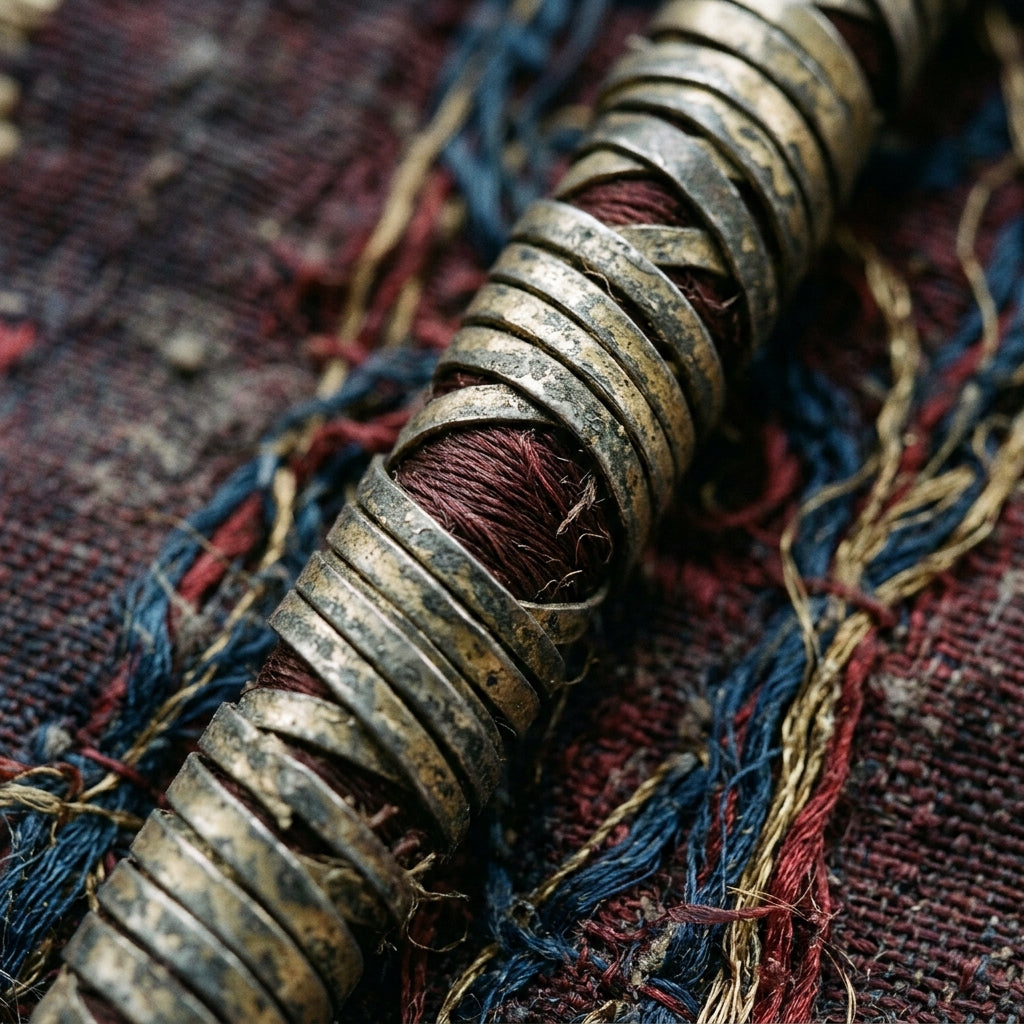
What elevated these textiles to unimaginable luxury was the extensive use of 'klaptan', an insanely expensive metallic thread. Highly skilled artisans would take a core thread of pristine silk and meticulously wrap it with impossibly thin ribbons of hammered silver and gold, weaving it directly into the floral motifs so the fabric physically glowed.
Diplomatic Treasures
These shimmering, botanical silks were not just clothing; they were visual weapons of diplomacy. The Ottomans actively used these incredibly expensive textiles as 'khilat' (robes of honor), gifting them to foreign ambassadors and dignitaries to physically overwhelm them with the wealth and artistic supremacy of the empire.
Modern Hospitality Aesthetics
Today, those sweeping, majestic Ottoman floral motifs are profoundly embedded in premium global interior design. The iconic patterns are heavily utilized by contemporary high-end hospitality designers—frequently anchoring the moody, opulent 'grand hotel' aesthetic in spaces across Paris, London, and New York through dense, luxurious upholstery.